Curated experiences in Puebla
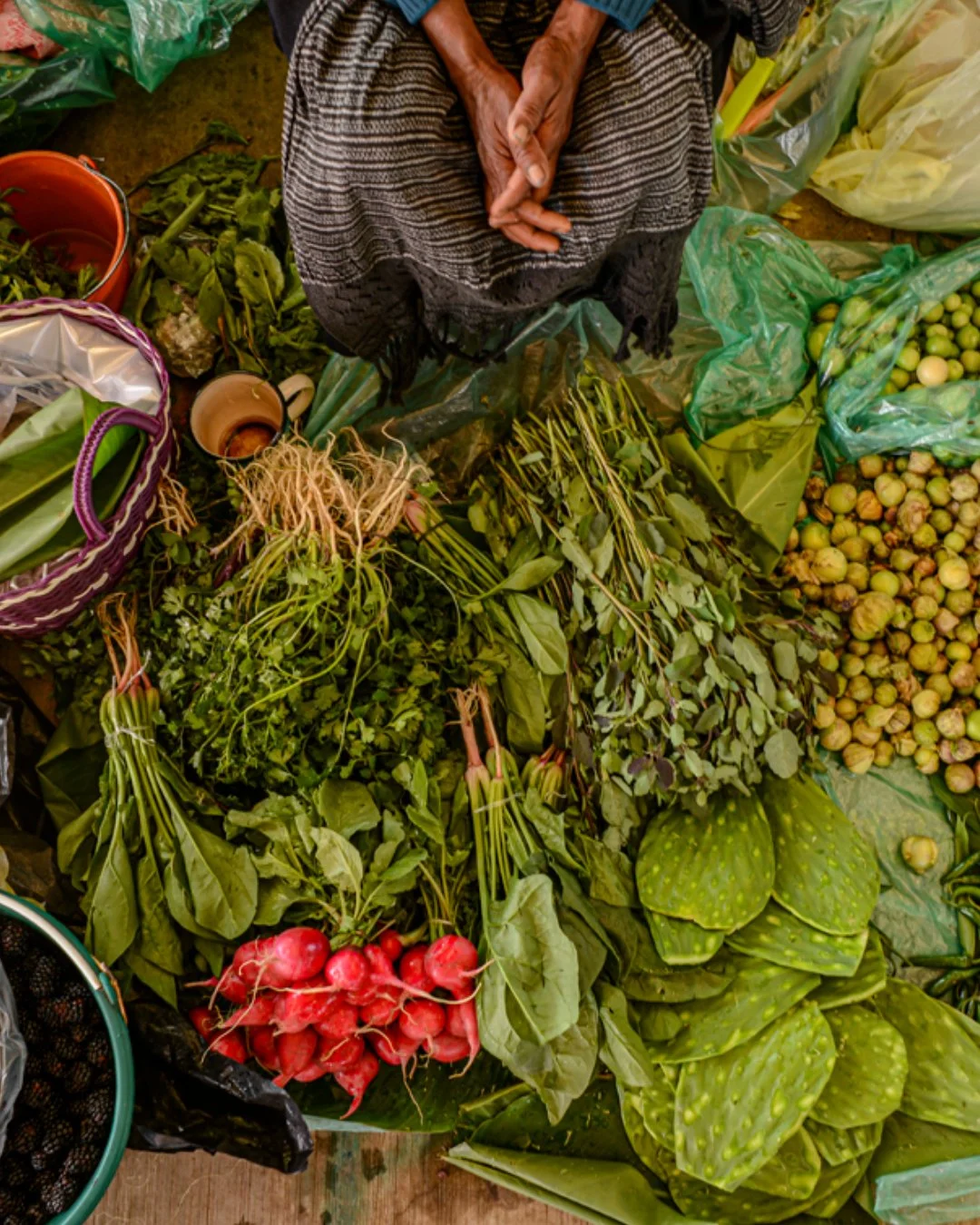
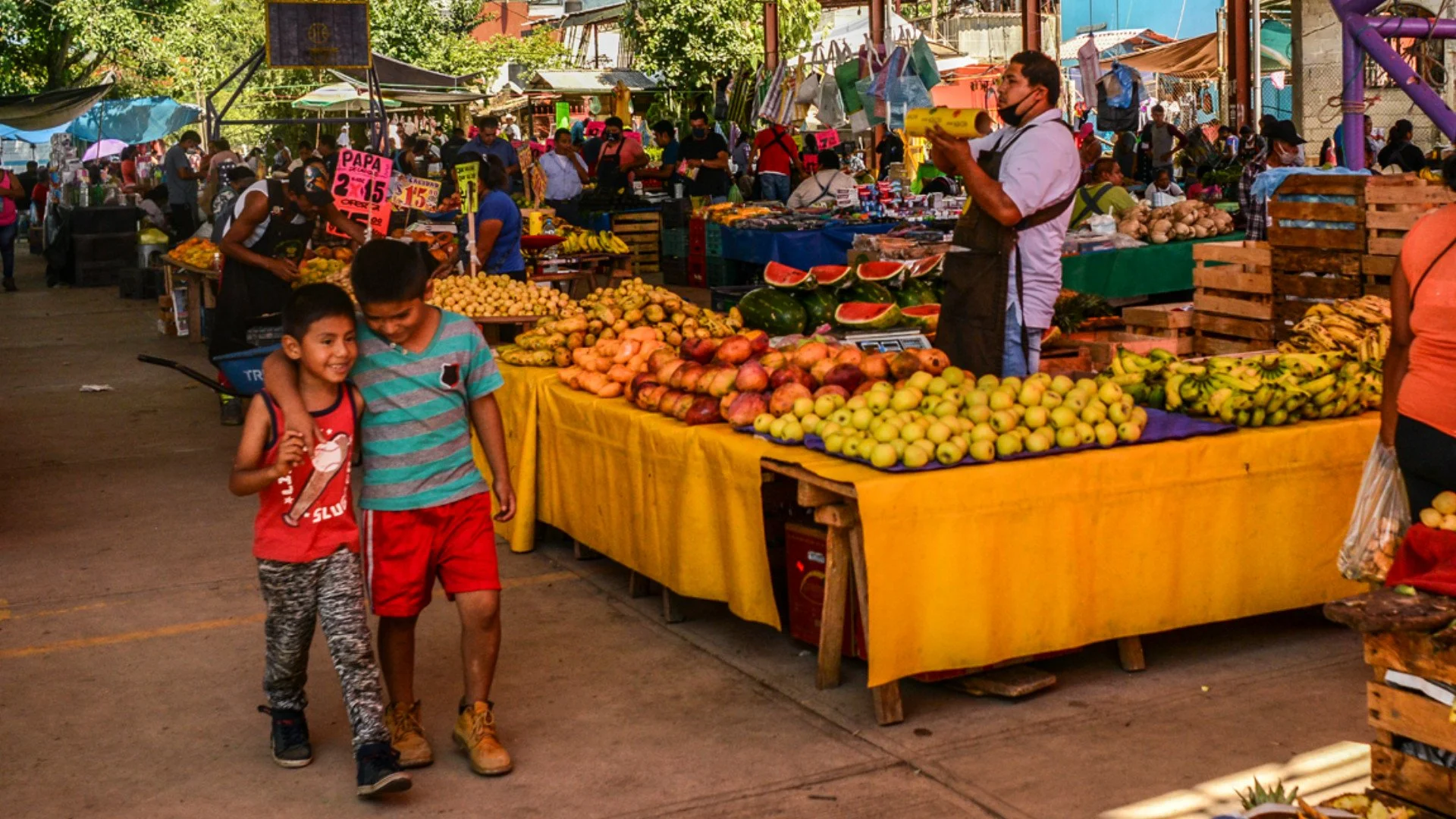
PART 1 OF 3: The Territory Advanced Gastronomic Workshop: Mexico, an Edible Territory. An immersion into the kitchens, landscapes, and food systems of contemporary Mexico. This workshop invites you to journey across this land by exploring markets, traditional tianguis, heritage kitchens, local producers, traditional cooks, museums, and spaces deeply intertwined with our country's culinary history.
The Puebla-Tlaxcala valley and the volcanic zone form one of the most extraordinary regions to understand the intricate relationship between biodiversity, agriculture, culture, and the cuisine of the Mexican heartland. Within a relatively compact geographical footprint, volcanoes, forests, agricultural valleys, lake beds, ravines, irrigation networks, rainfed lands, and an extraordinary diversity of cultivated crops and wild species gracefully converge. Moreover, the ancestral knowledge systems required to identify, cultivate, forage, transform, and consume this bounty remain vibrantly alive here. +++++
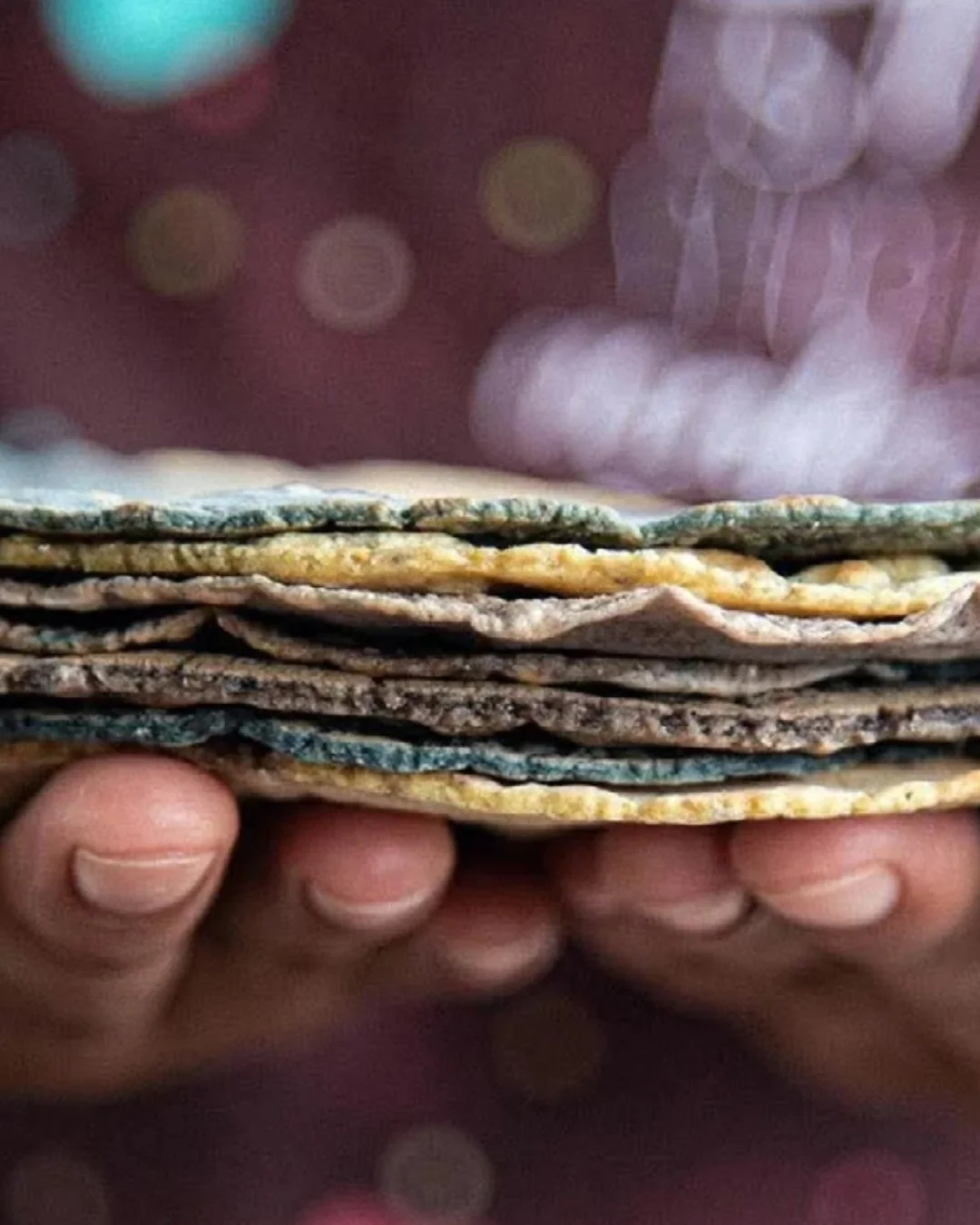
THE TERRITORY Volcanoes, Agriculture, and Origins: A journey through the volcanic zone, traditional milpas, and forests, featuring pulque harvesting and heritage maize cuisine. Duration: 10 hours Includes: Guided visits, transportation, breakfast facing the volcano, a mountain hike, an expert guide, lunch, tastings, and a curated seed collection.
PART 1 OF 3: The Territory Advanced Gastronomic Workshop: Mexico, an Edible Territory. An immersion into the kitchens, landscapes, and food systems of contemporary Mexico. This workshop invites you to journey across this land by exploring markets, traditional tianguis, heritage kitchens, local producers, traditional cooks, museums, and spaces deeply intertwined with our country's culinary history.
The Puebla-Tlaxcala valley and the volcanic zone form one of the most extraordinary regions to understand the intricate relationship between biodiversity, agriculture, culture, and the cuisine of the Mexican heartland. Within a relatively compact geographical footprint, volcanoes, forests, agricultural valleys, lake beds, ravines, irrigation networks, rainfed lands, and an extraordinary diversity of cultivated crops and wild species gracefully converge. Moreover, the ancestral knowledge systems required to identify, cultivate, forage, transform, and consume this bounty remain vibrantly alive here. +++++
THE TERRITORY Volcanoes, Agriculture, and Origins: A journey through the volcanic zone, traditional milpas, and forests, featuring pulque harvesting and heritage maize cuisine. Duration: 10 hours Includes: Guided visits, transportation, breakfast facing the volcano, a mountain hike, an expert guide, lunch, tastings, and a curated seed collection.
Curated experiences in Puebla
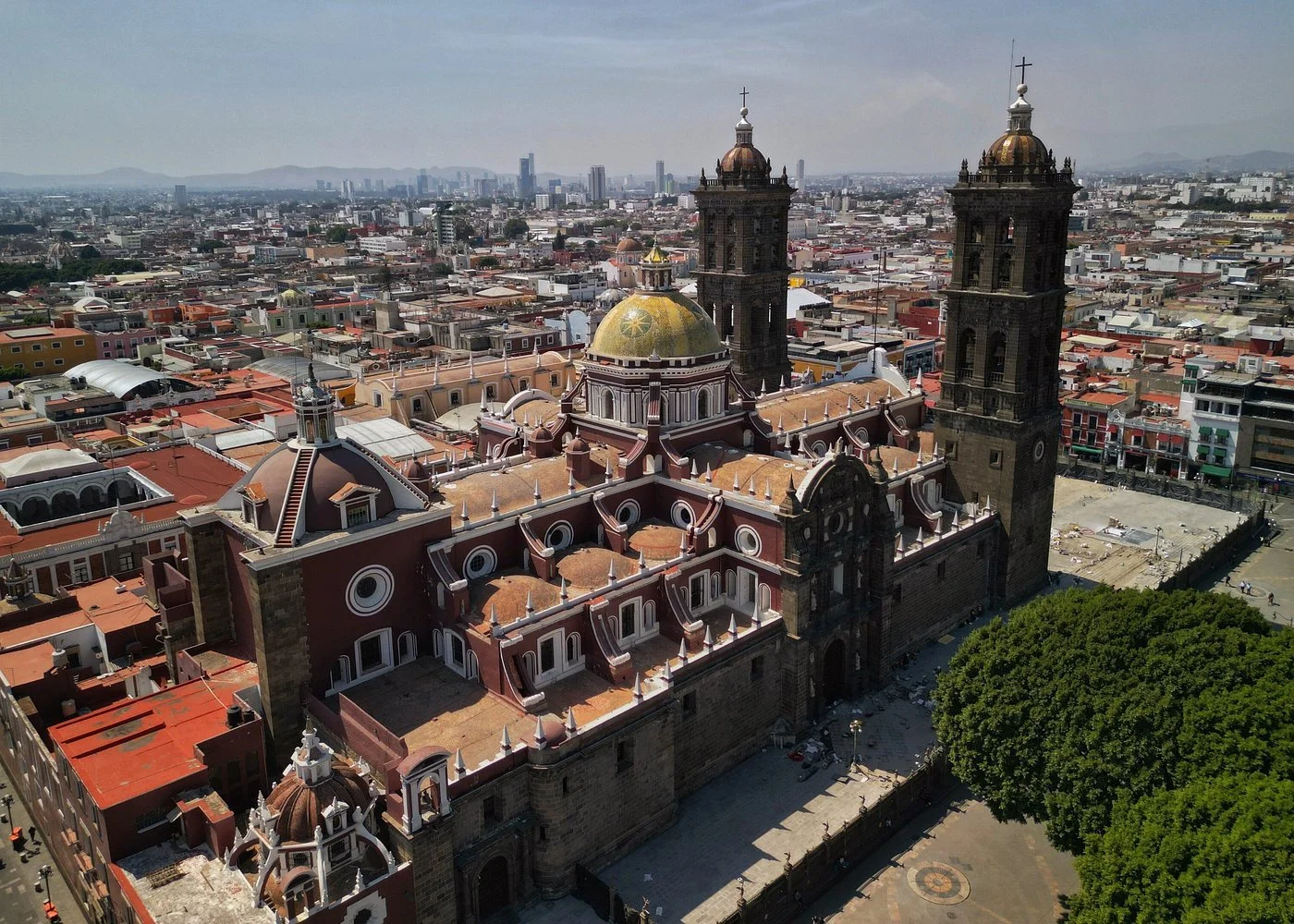
Private Puebla Historic Center Walking Tour with a Local Guide
Discover Puebla beyond the tourist trail. Enjoy a private, flexible walking tour with a local guide exploring colonial architecture, art, and hidden plazas.
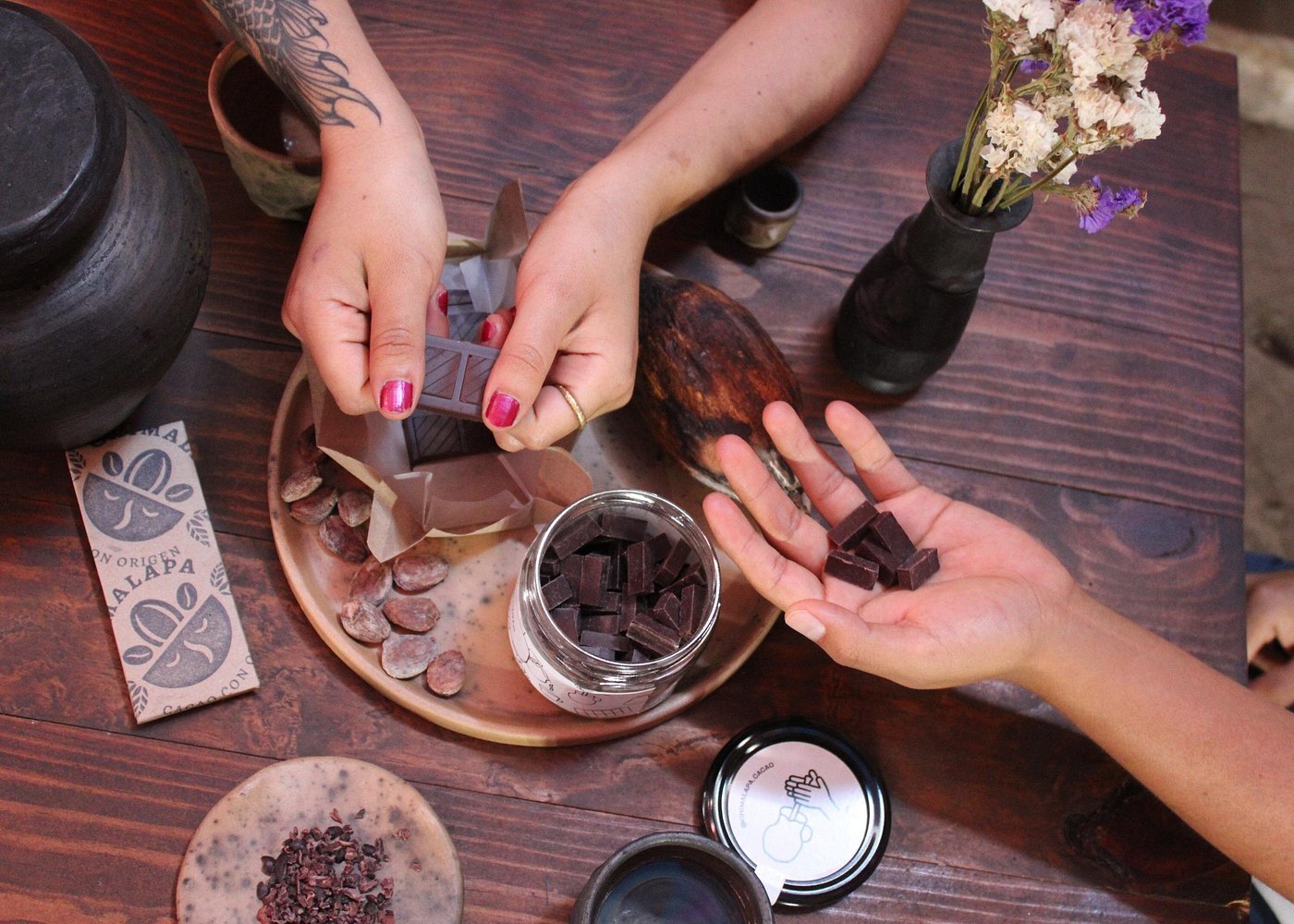
Make Your Own Chocolate with Oaxacan Tradition Private Class
Rooted in the ancestral heritage of the Zoque ethnic group from the Chimalapa community in Oaxaca’s Isthmus region, this private workshop offers an authentic, hands-on immersion into traditional Oaxacan chocolate making. Named in honor of the founder’s indigenous roots, Chima means jícara (the traditional gourd bowl used for cacao drinks) in the Zoque language. Led by a host with a lifelong family tradition of chocolate crafting, this class shares generations of acquired knowledge, cultural storytelling, and practical techniques you can easily replicate in your own home kitchen.
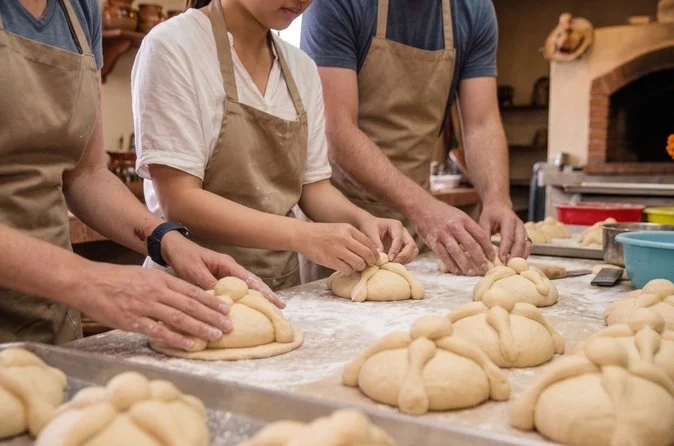
Day of the Dead in Puebla & Hands-On Pan de Muerto Workshop
Immerse yourself in Puebla’s rich Día de los Muertos traditions on an interactive journey that seamlessly blends history, art, culture, and gastronomy. Far more than a standard sightseeing tour, this unique experience invites you to walk through Puebla’s historic center, uncover authentic altars hidden inside colonial houses, and roll up your sleeves to bake your own traditional Pan de Muerto in a working local bakery.