
EXPERIENCES AND WORKSHOPSWHAT TO EXPECTThe Museum of Mexican Cuisines is a traveling kitchen and research project dedicated to documenting, preserving, and sharing the living culinary heritage of Mexico's indigenous communities. To preserve a cuisine is to preserve the memory of its people.
CURRENT PROJECTSOZOLCO / PUEBLAThe Cuisine of the Volcano Villages: Memory of a Living People
LOS REYES MENTZONTLA / PUEBLA MIXTEC Mixtec Cuisine & Burnished Clay Heritage Workshop
Tehuacán / Tepoztlán / Tlaxcala / Cholula
The Paths of Maize: Safeguarding the Milpa System
TALLERES DE COCINASharing Mexico's gastronomic heritage with the world
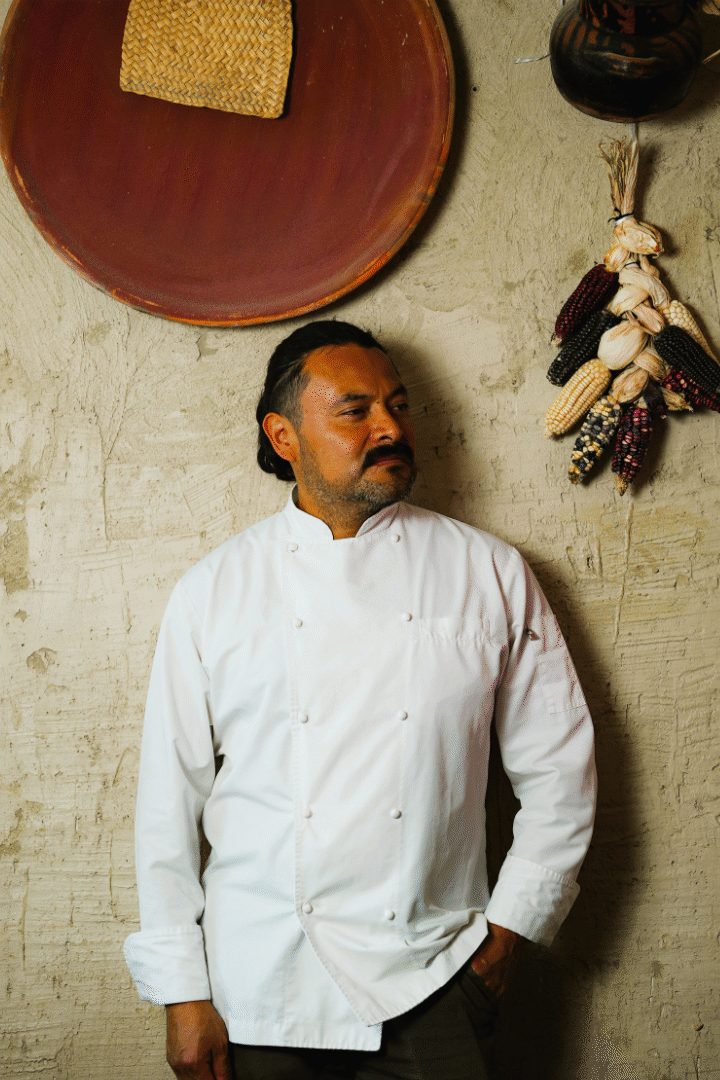
"CADA PERSONA ES UN RECETARIO EN POTENCIA"
- CHEF JULIO ZETINA
Julio Zetina, born and raised in the Analco neighborhood of Puebla City, Julio Zetina is a proud poblano, an avid traveler, and deeply passionate about the culinary rituals and ceremonial dining traditions of Mexico.)
WORKSHOP: An immersion into the cuisines, landscapes, and food systems of contemporary Mexico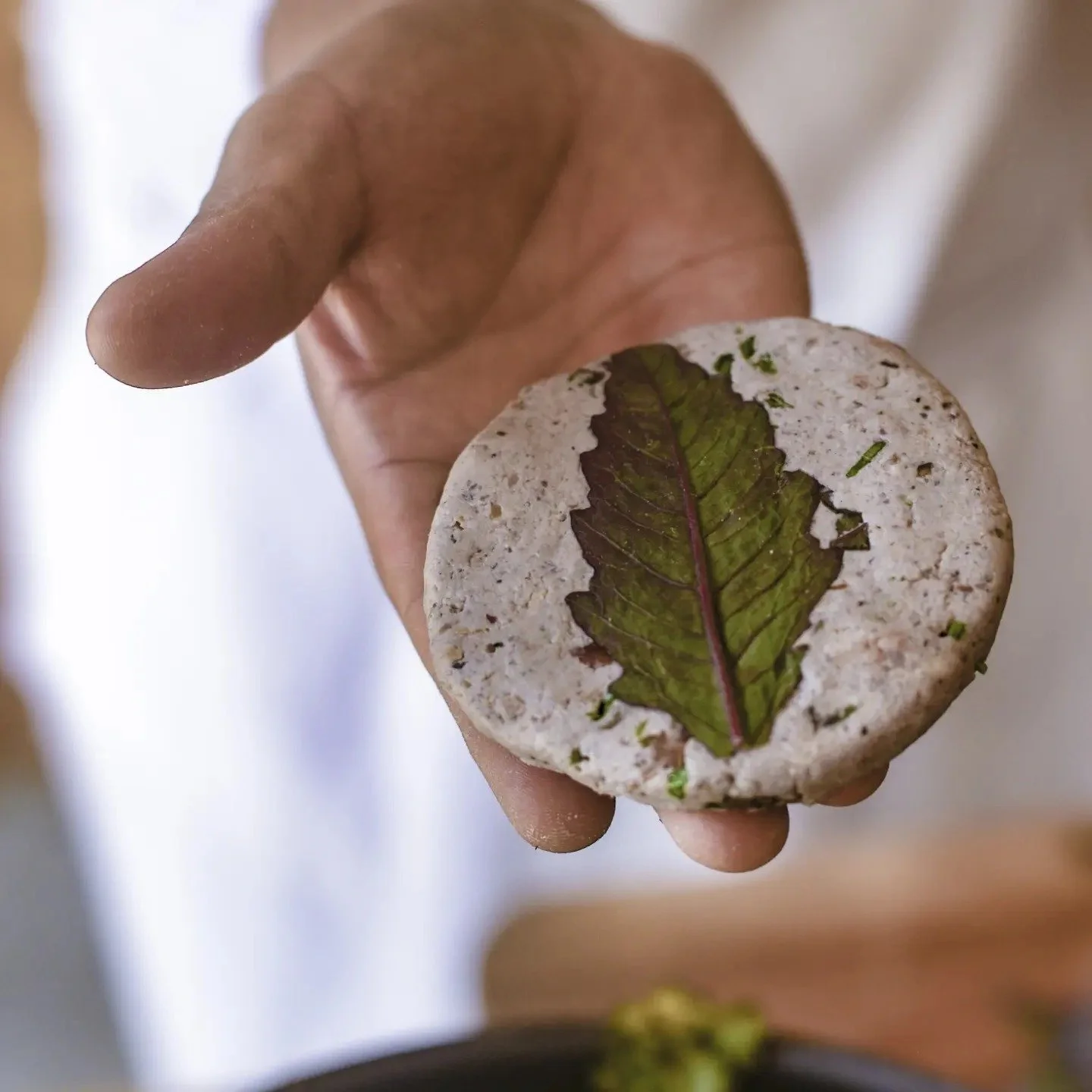
Duration: 3 days
Location: Puebla, Cholula, and the volcano communities region.
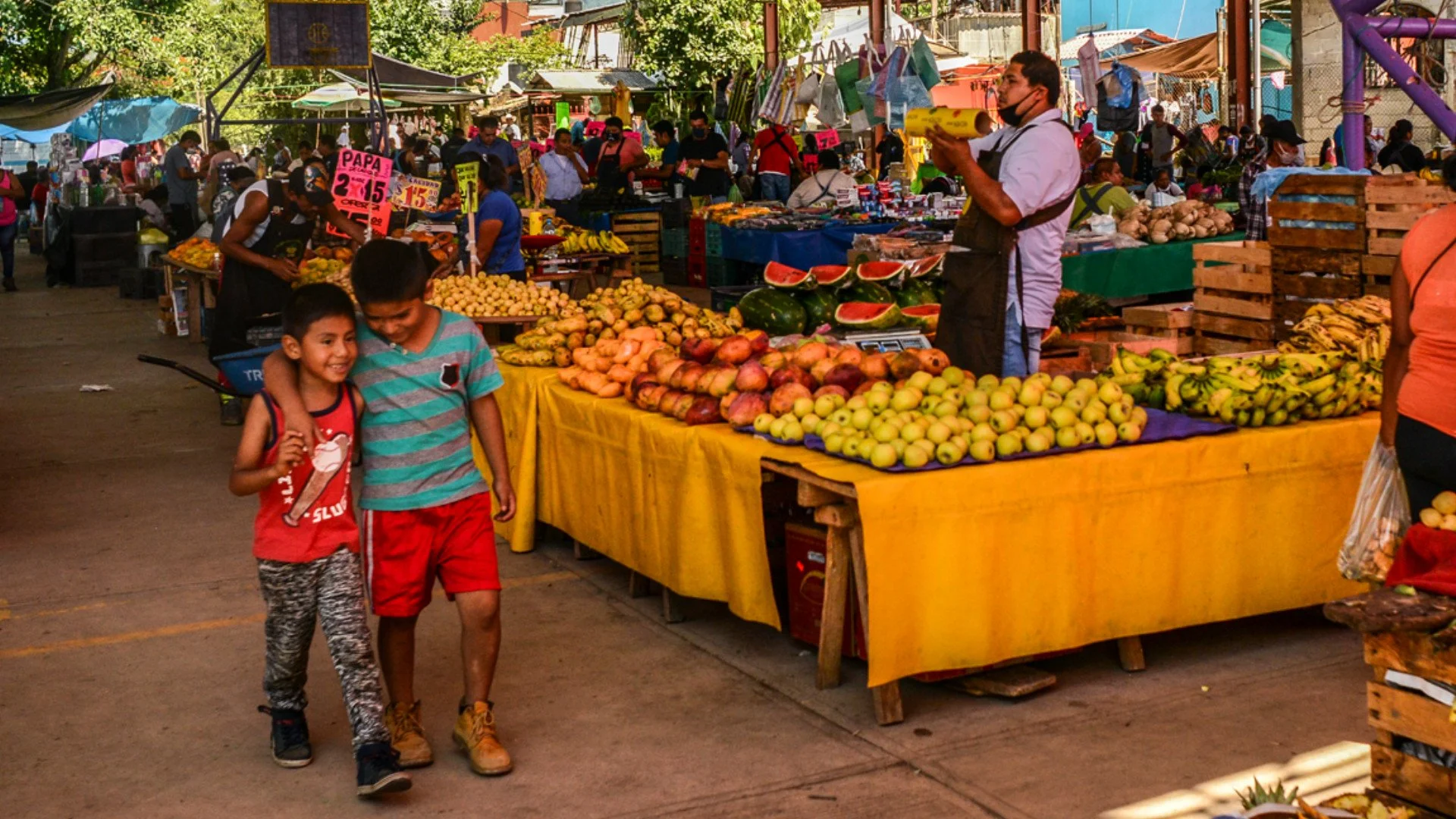
This workshop invites you to journey across this territory by exploring markets, traditional tianguis, heritage kitchens, local producers, traditional cooks, museums, and spaces deeply intertwined with our country's culinary history.
The Puebla-Tlaxcala valley and the volcanic zone form one of the most extraordinary regions to understand the intricate relationship between biodiversity, agriculture, culture, and the cuisine of the Mexican heartland. Within a relatively compact geographical area, volcanoes, forests, agricultural valleys, lake beds, ravines, irrigation networks, rainfed lands, and an extraordinary diversity of cultivated crops and wild species gracefully converge.
Furthermore, the ancestral knowledge systems required to identify, cultivate, forage, transform, and consume them remain vibrantly alive here.
Maximium
8 people
for day
The Museum of Mexican Cuisines Experiences
Duration: 8 hours
From 9 a.m. to 5 p.m.
PART 3 OF 3: Territory and Creation Advanced Gastronomic Workshop: Mexico, an Edible Territory. An immersion into the kitchens, landscapes, and food systems of contemporary Mexico. This workshop invites you to journey across this land by exploring markets, traditional tianguis, heritage kitchens, local producers, traditional cooks, museums, and spaces deeply intertwined with our country's culinary history.
The Puebla-Tlaxcala valley and the volcanic zone form one of the most extraordinary regions to understand the intricate relationship between biodiversity, agriculture, culture, and the cuisine of the Mexican heartland. Within a relatively compact geographical footprint, volcanoes, forests, agricultural valleys, lake beds, ravines, irrigation networks, rainfed lands, and an extraordinary diversity of cultivated crops and wild species gracefully converge. Moreover, the ancestral knowledge systems required to identify, cultivate, forage, transform, and consume this bounty remain vibrantly alive here. +++++
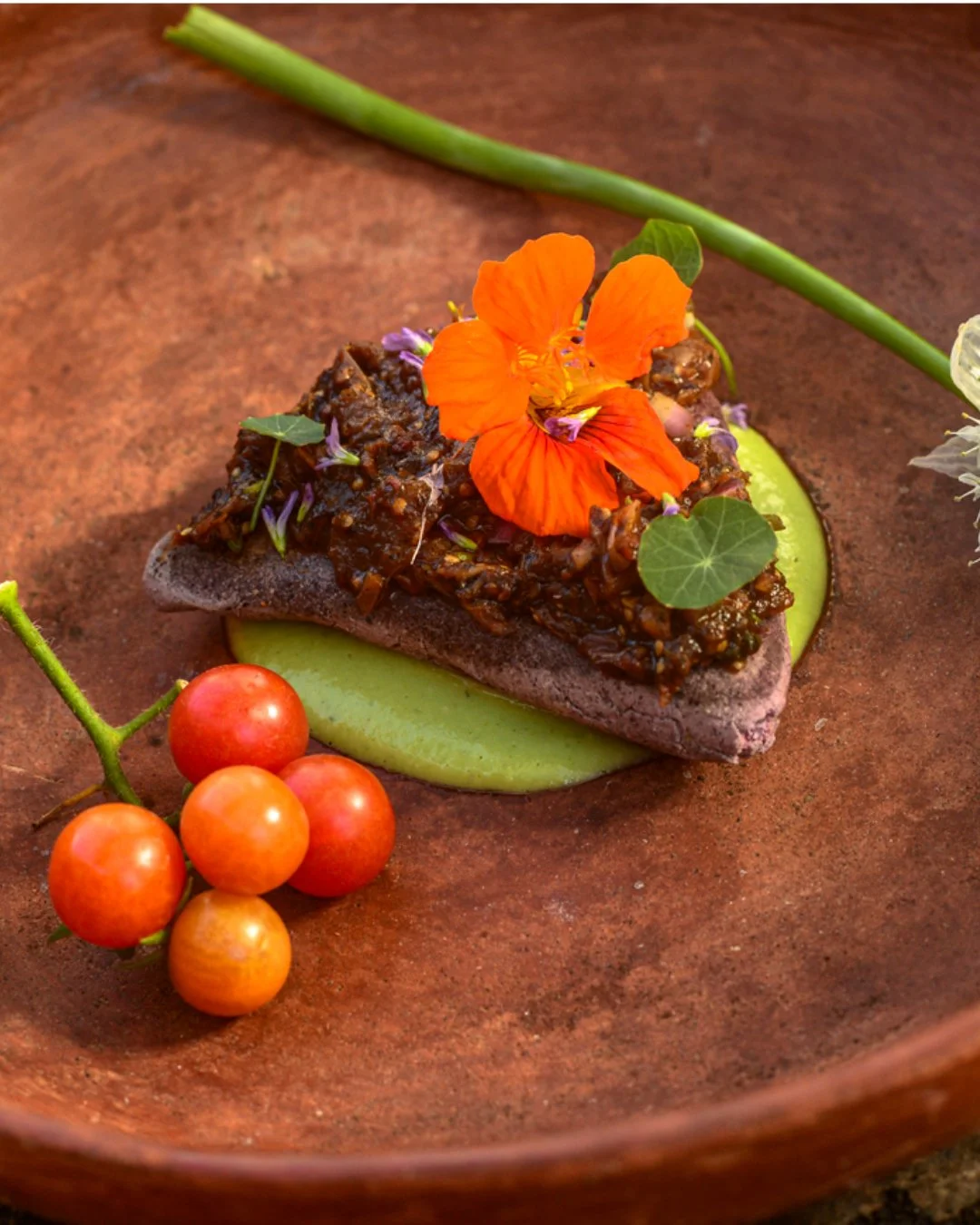
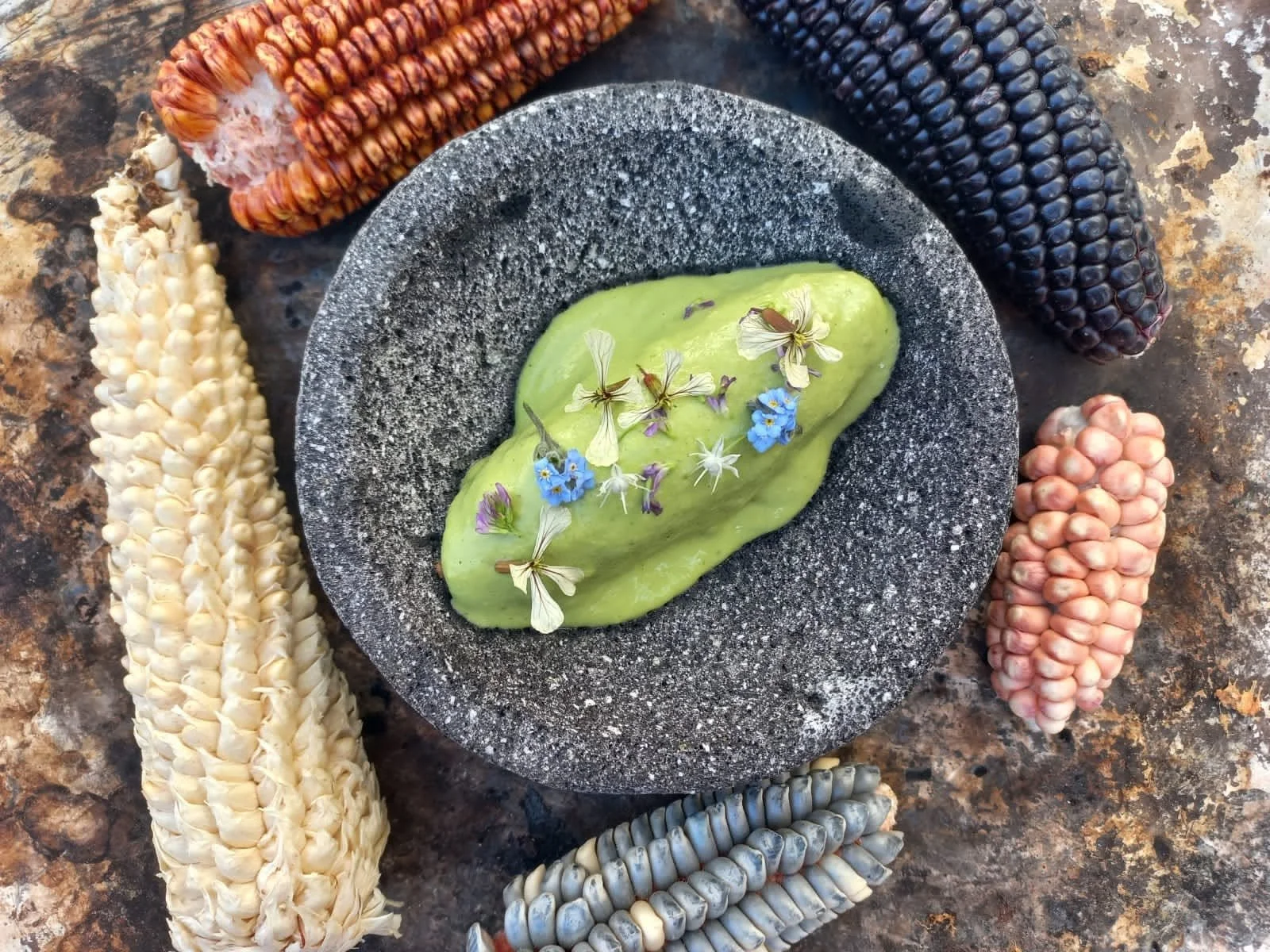
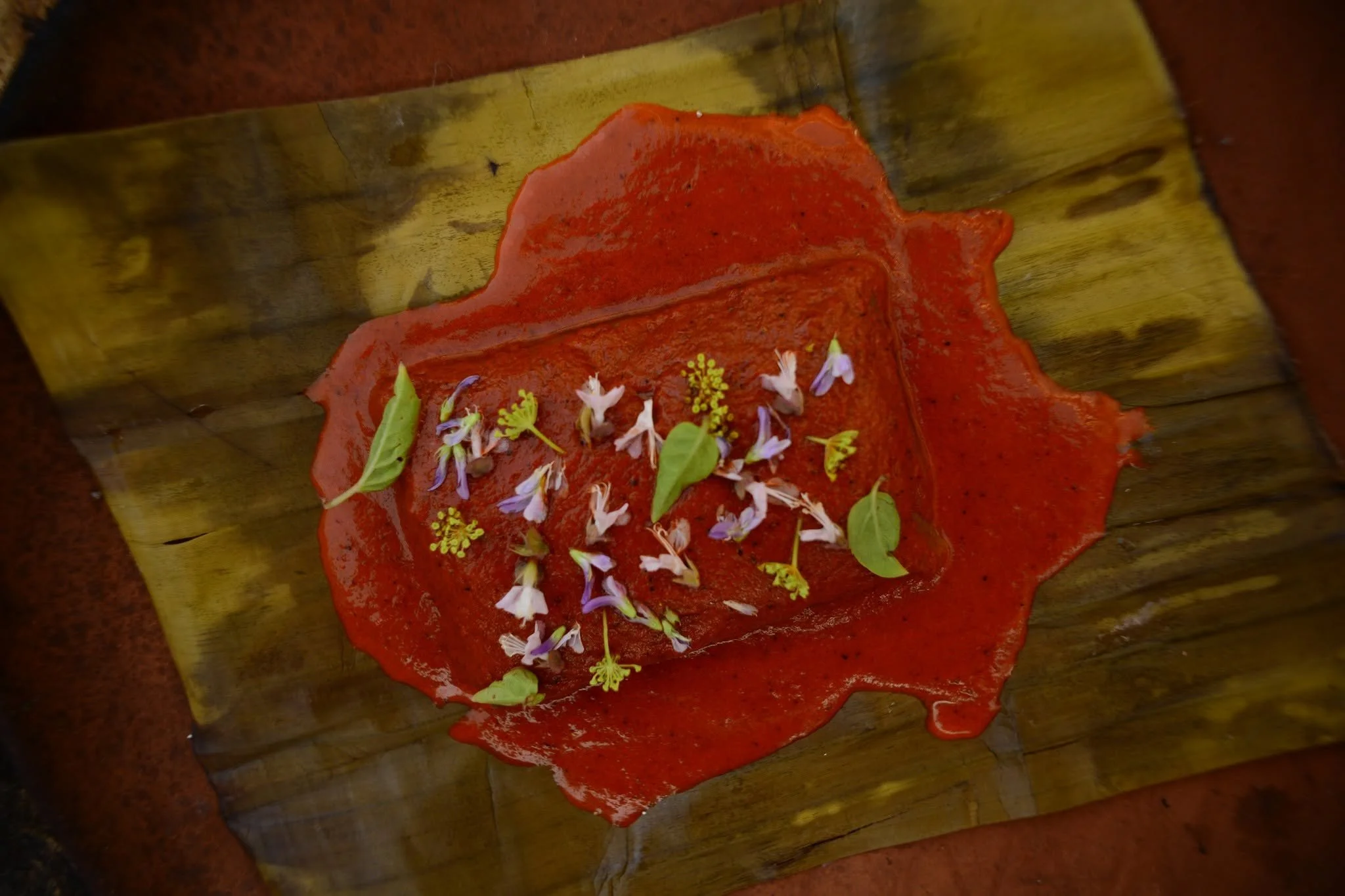
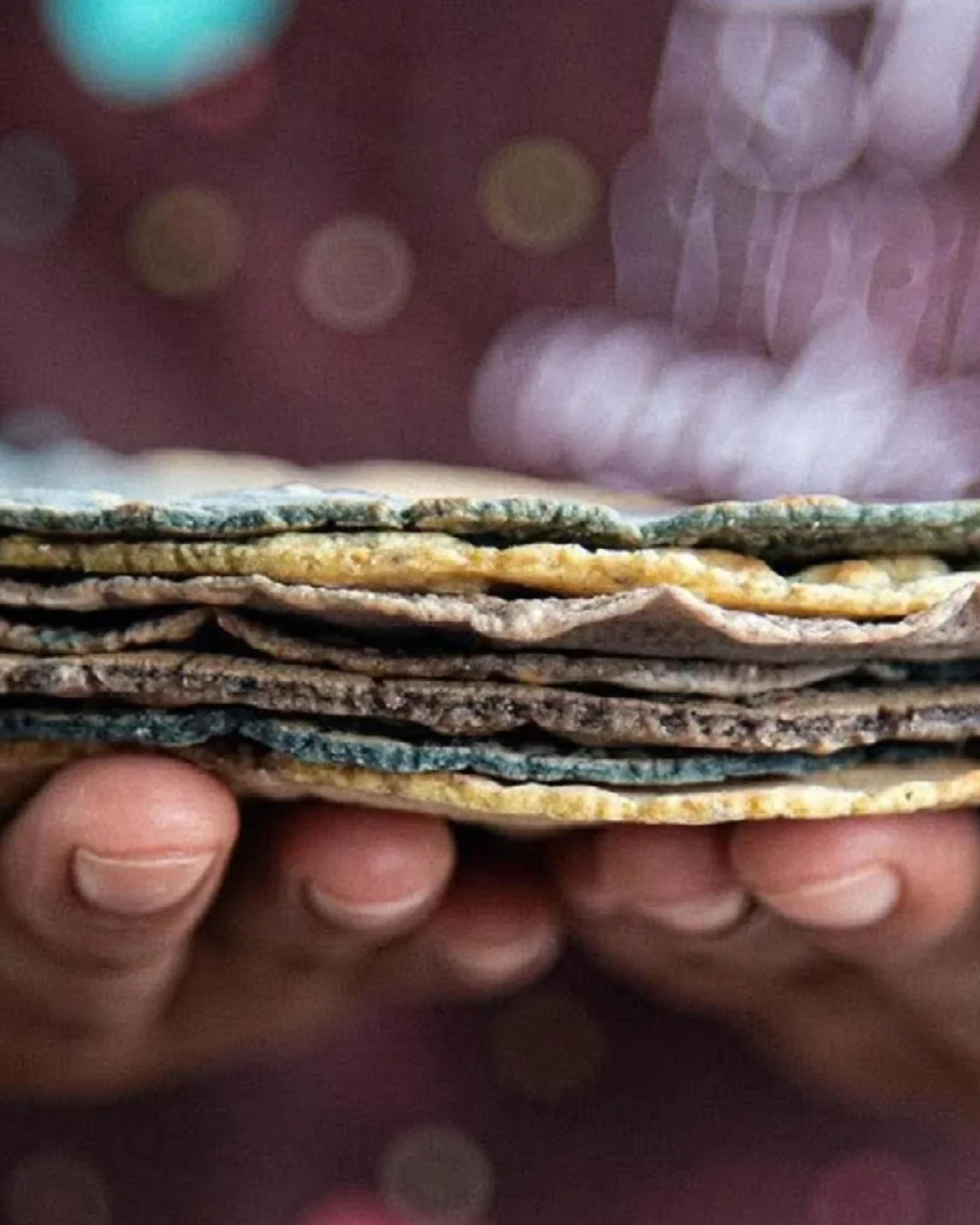
FROM TERRITORY TO CREATION Ingredients, Nixtamalization, and Maiz Cuisine: Techniques and Applications. A residency at the Milli-Cholula restaurant (a culinary research project focused on the Puebla valley), where you will identify numerous local ingredients and explore diverse techniques and applications of smoke and maize cuisine. Includes: Ingredients, a recipe book, tastings, a curated seed collection, and a hands-on practical workshop.